Why Is Basement Epoxy Flooring Better Than Traditional Flooring?
Choosing the right flooring for a basement is a decision that can affect comfort, durability, and maintenance for years to come. Unlike upper floors, basements face unique challenges like moisture intrusion, uneven concrete, and temperature fluctuations.
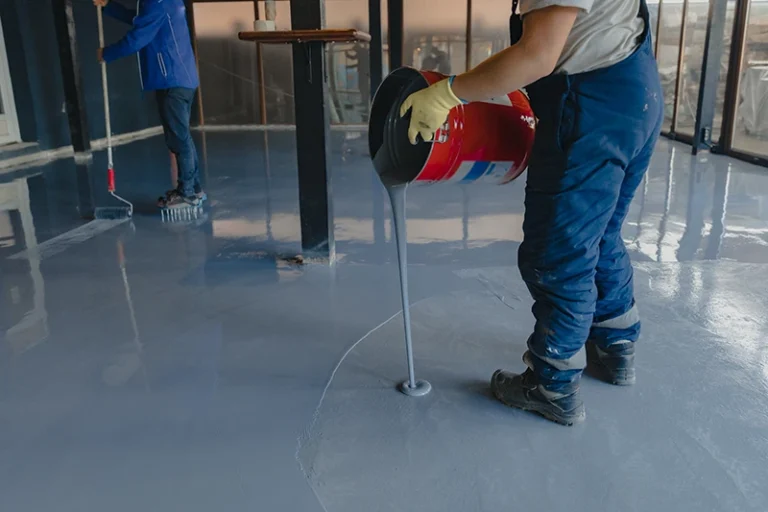
While traditional options like tile, carpet, or vinyl may offer a quick fix, they often fall short in performance and longevity. Basement epoxy flooring offers a highly durable, seamless, and low-maintenance solution that can outperform traditional materials in almost every category.
This article explores why epoxy flooring is often the superior choice for basement applications.
Superior Moisture Resistance
Basements are especially vulnerable to moisture and humidity, making water resistance a top priority for flooring.
- Epoxy creates moisture-resistant floors by forming a non-porous surface that blocks moisture from seeping through, unlike carpet or wood, which can absorb and trap water.
- It prevents mold and mildew growth: Because epoxy doesn’t retain moisture, it discourages the development of fungi and bacteria that can damage other flooring types and create health issues.
- No seams or joints to collect moisture: Traditional flooring often has grout lines or seams that allow water to infiltrate; epoxy provides a continuous barrier.
This resistance to moisture helps protect your basement and makes cleanup easier in the event of leaks or flooding.
Exceptional Durability and Longevity
Epoxy flooring is built to withstand heavy use and last for years without cracking or peeling.
- It resists wear, chemicals, and impact: Epoxy can endure dropped tools, gym equipment, pet claws, and even household chemicals without deteriorating.
- Outlasts carpet, tile, and vinyl in tough environments: While other materials may crack, warp, or stain over time, epoxy maintains its integrity and appearance for 10 to 20 years or more.
- Ideal for multi-use basement spaces: Whether you’re using the space as a home gym, office, or game room, epoxy can handle it all without constant maintenance.
The durability of epoxy makes it a cost-effective investment that reduces the need for repairs or replacements.
Low Maintenance Requirements
Unlike traditional flooring, epoxy doesn’t require frequent upkeep to look great.
- Simple cleaning routine with mild detergent and water: Epoxy doesn’t require specialized products or intensive cleaning—regular sweeping and mopping are usually enough.
- Dust and allergens don’t collect on the surface: Unlike carpet, which can trap pet dander and allergens, epoxy provides a smooth, hypoallergenic finish.
- No waxing, polishing, or sealing needed: Epoxy’s shine and protective qualities are built in, eliminating the need for ongoing treatments common with tile or hardwood.
Its ease of maintenance is especially beneficial for homeowners who want a beautiful floor without the hassle.
Customizable Aesthetic Appeal
While many assume garage epoxy coating is the primary use for epoxy or industrial spaces, it offers a wide range of attractive finishes.
- Available in solid colors, metallics, and decorative flakes: You can choose a look that matches your home’s style, from modern and sleek to rustic or artistic.
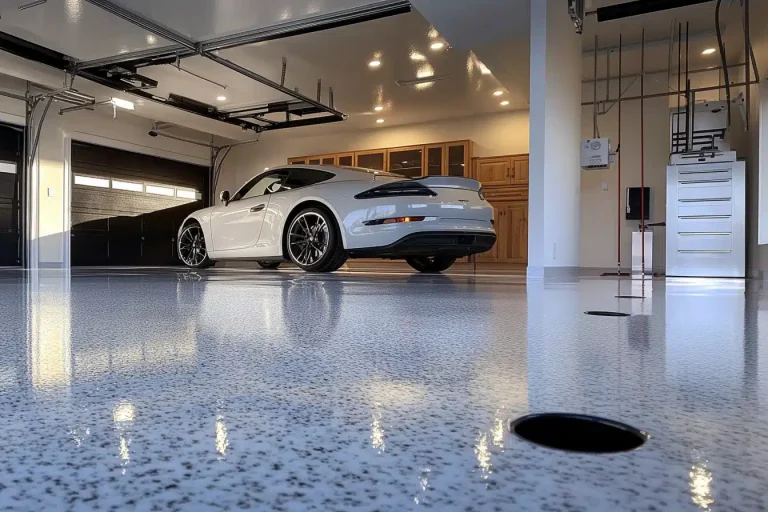
- Glossy finishes reflect light in darker basement spaces: The shiny surface can brighten the room, reducing the need for extra lighting and enhancing the space’s appeal.
- Can be customized with patterns or logos: Epoxy offers design flexibility that goes far beyond standard tile or carpet patterns.
With epoxy, you don’t have to sacrifice style for function—you can have both.
Cost-Effective Over Time
Though initial installation costs may be comparable to or slightly higher than some traditional options, epoxy offers long-term value.
- Fewer replacements or repairs over time: The extended lifespan means less frequent spending on new materials and labor.
- Reduces risk of water damage-related expenses: Since epoxy resists water and mold, you’re less likely to face costly remediation efforts due to moisture damage.
- Adds resale value with a clean, modern finish: Potential buyers often view epoxy flooring as a plus, especially in finished basements.
Considering the total cost of ownership, epoxy tends to be the smarter financial choice for basement renovations.
When it comes to basement flooring, epoxy offers a combination of durability, moisture resistance, aesthetic flexibility, and long-term cost savings that traditional materials often can’t match. From protecting against mold to reducing maintenance, epoxy provides practical advantages that make it an ideal solution for a wide range of basement applications.
If you’re looking to upgrade your basement flooring with something that will last and look great while doing it, epoxy is a strong contender worth serious consideration.